
Let's Get Fit Together
We hope you and all your pets have had a wonderful Christmas.
January can often be a time when we think about our health and weight! Weight management is crucial to your pet’s health and well being, so while we are trimming our own waist lines, why don’t we think about those furry waist lines too!
Around 78% of veterinary professionals in the UK have seen an increase in pet obesity in the last 2 years. It’s not always easy to recognise when your pet is becoming overweight. Please ask one of our team to teach you how to body condition score your pet or refer to the link below.
Body Condition Chart Dogs
Body Condition Chart Cats
What problems can occur from being over weight?
Over weight animals are, just like humans, at more risk of developing diabetes, heart and lung disease, joint disease, certain immune mediated conditions and some cancers.
Generally they have less energy, a lower quality of life and may die younger than if they had been of a healthy weight.
Why do pets become overweight?
1. Over-feeding
- The guides on pet foods can overestimate the amound required. Every pet has a different calorie requirement depending on their activity levels, age, metabolic rate etc. We are happy to advise on quantities for your individual pets.
- It is lovely to treat our furry friends and treats are important training tools. Using appropriate treats are making allowances for them in the daily portion size being fed can help avoid causing weight gain.
- Feeding human food is very tempting but what we often don’t realise is that a small morsel to us is the equivalent to many more calories in them, for example a 1oz piece of cheese fed to your cat is equivalent to a human eating 1 ½ Big Macs, 1 sausage fed to your dog is like us eating a pepperoni pizza!
- It is sensible to completely avoid feeding human food at all.
2. Medical reasons
- Animals who struggle with arthritis are often less active which can contribute to weight gain. This can then lead to further pain and a vicious cycle. We can help your arthritic pet in many ways and break this cycle. Please see links to Osteoarthritis blogs below:
- Some animals may struggle with an underactive thyroid gland which can cause weight gain. Please contact us if you would like your pet to be assessed for this.
3. Inadequate exercise
- Most pets require daily exercise, the amount can vary. Below are some guides for your dog’s daily exercise requirements:
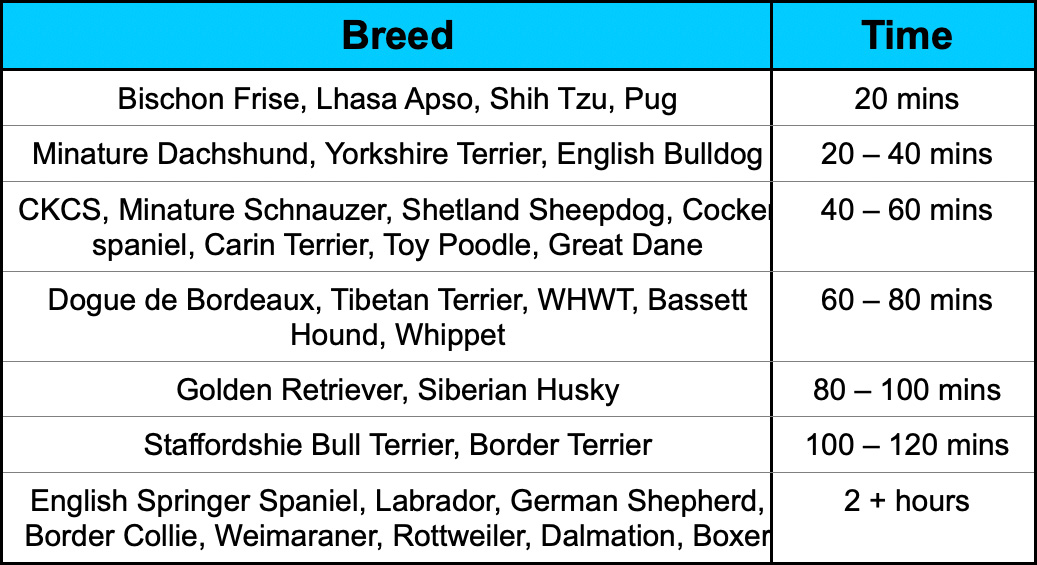
- Obviously requirements will vary with age and due to any medical conditions. We are happy to give you individual advice on your pet’s needs.
- Cats – Cats need to be provided with either outdoor access or opportunities to climb and play indoors.
TOP TIPS FOR WEIGHT LOSS.
- Feeding an appropriate diet such as the Virbac HPM weight loss diet. Such diets help your pet to feel fuller for longer as well as helping to combat other issues caused by obesity such as irregular glucose levels.
- Weighing the amount fed for every meal and taking treats out of this measured portion.
- Be patient and consistent. Weight loss is a marathon not a sprint!
We run a Pet Fit Club for any of our furry friends needing some assistance in losing weight. Experienced nurses will calculate Body Condition Scores, give advice on what and how much to feed and support your pet on their weight loss journey.
Please do not hesitate to contact us if you have questions about anything discussed here or would like advice on your pet’s weight or overall health.
-
Previous
-
Next